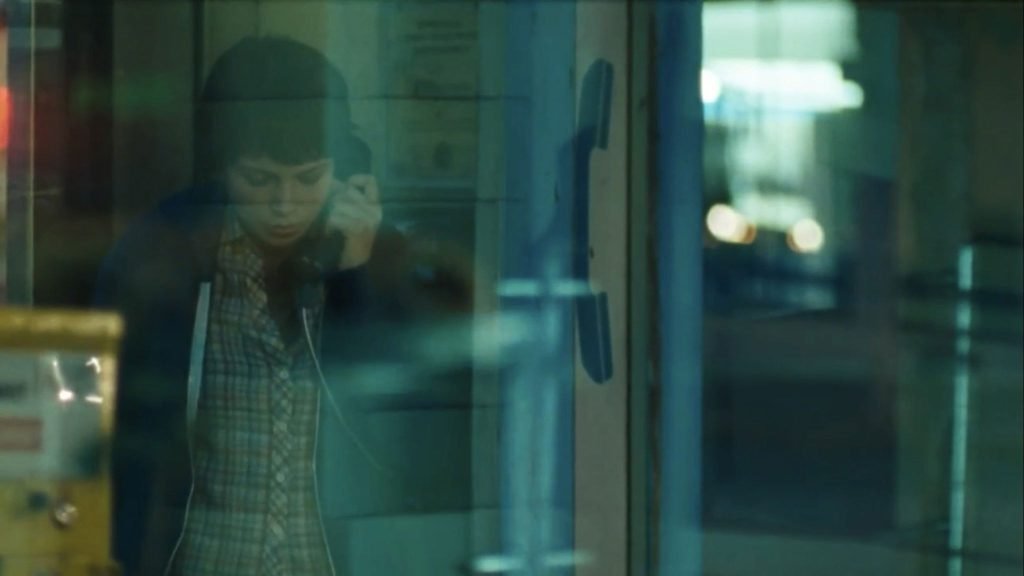
Through the film Wendy and Lucy, precarity can be understood as a state of existential insecurity marked by unstable housing, erosion of occupational identity, loss of benefits and insurance, and a constant risk of falling into debt. Unlike Hollywood’s tendency to personalise conflict, Kelly Reichardt frames the system itself as the true antagonist in Wendy and Lucy. The security guard, the mechanic, and even the grocery clerk are not villains; they’re simply enforcing the constraints of policy and protocol. Reichardt’s minimalism makes this clear: small acts of kindness from the security guard expose that the conflict is structural, not personal. With no clear villain to blame, the film leads viewers to confront the system shaping Wendy’s world and encourages sympathy for the wider precariat class. Wendy lives beyond the safety net, on society’s edge, seemingly free yet deeply vulnerable without support. Hence, through this unconventional approach, by understanding the root cause of their precarious condition, the audience realise and sympathise with their condition.
Precarity becomes visible in the relentless expectation that individuals should remain self-sufficient, an expectation rooted in neoliberal thinking rather than lived reality. Wendy and Lucy dismantle the idea that people like Wendy struggle because they’re careless. Her meticulous budgeting shows the opposite: she’s disciplined to the point of hyper-vigilance. Through Wendy’s constant fear of overspending, the film gives shape to the precariat: a group whose lives are defined by the absence of benefits or security, leaving them exposed to the danger of even the smallest financial surprises. Wendy’s first night in the car offers a small but potent illustration of precarity, a scene that reflects these characteristics of precarity. As she runs through her budget, the camera catches Wendy touching her cold feet, a subtle physical allegory to the phrase. It’s a quiet, anxious moment that signals the emotional climate and constant anxiety in the lives of the precariat class. While Wendy does her best by staying composed, it is when the unexpected blows hit, she fails to recover on her own.
The film captures precariousness as a way of life where the smallest event can tip everything into chaos. Wendy’s car breaking down is the first tremor that collapses her entire path, not through carelessness but because she lives without the protection of insurance. Losing the car also means losing her shelter, forcing her to sleep in the woods where she is nearly attacked. Her attempt to save money by stealing dog food ends up costing far more: a police record, fine and the loss of Lucy, her last source of comfort and stability. The grocery store worker’s remark about who “should” have dogs exposes a world where love is treated as a privilege of the financially secure. Their separation becomes a quiet metaphor for how precarity strips people of even the simplest forms of care. Reichardt’s intimate close-ups, and absence of music makes it feel personal, drawing the viewer into Wendy’s struggle, through an observational filmmaking style.
By refusing spectacle, Reichardt’s long takes and minimalist pacing instead lingers on Wendy waiting, worrying, and calculating her next move. The mundanity becomes emotional: we feel the strain of not knowing what tomorrow holds. As we sit with her, her anxiety settles into us, generating sympathy from a shared sense of helplessness.