Image 01
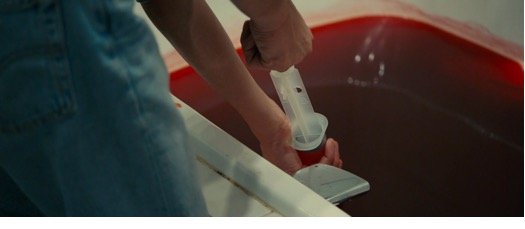
In 120 Beats per Minute, activism emerges first in private, intimate spaces before erupting into public confrontation. The frame of a hand drawing fake blood from a tub into a syringe exemplifies this. The image foregrounds the tension in the activist’s veins, visually linking the symbolic blood they prepare to the real blood that HIV/AIDS has marked their bodies with. This preparatory act reveals how political resistance begins not in spectacle but in the lived, physical realities of those affected. The fake blood becomes a weapon of visibility, a substance meant to expose institutional cruelty and force acknowledgment from authorities who otherwise ignore them. The image is followed by a shot showing the friend’s nose bleeding as the fake blood is prepared. The juxtaposition creates a powerful visual link: the symbolic blood prepared for protest sits alongside the very real blood emerging from a body affected by illness. The intercutting between the two shots depicts the urgency of the crisis and makes clear that the political stakes originate within the lived, vulnerable bodies of those fighting to be seen.
Image 02
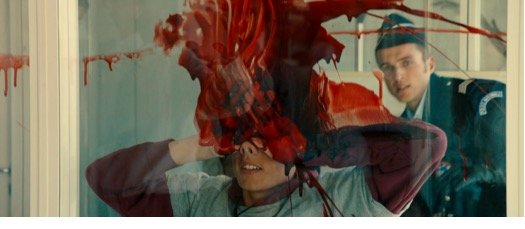
This image shows the activist from the previous image preparing the fake blood, being slammed against a glass window as ACT UP Paris storms Melton Pharm. On the surface, it reads as police intervention, but visually it is a potent emblem of political struggle. The police intervention positions her body as the site where activism and state power collide, making the image a clear representation of how protest is met with force. The blood covering her eyes visualises an attempt to obscure what activists want to expose, suggesting that institutions would rather silence dissent than confront accountability. The officer behind her functions as a symbolic stand-in for the state and corporate structures the activists are fighting, turning the shot into a visual statement about how political activism often demands placing one’s body directly in the line of repression.
Image 03
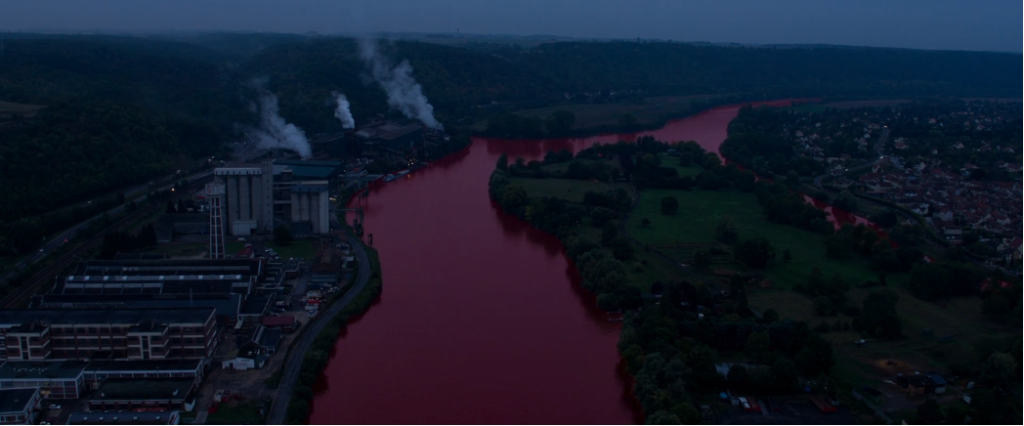
This final image appears as the dying character drifts in and out of sleep, giving it a dreamlike quality. Its symbolic force reaches beyond his personal experience to reflect the wider queer community’s ongoing struggle to have their voices heard throughout the film. Positioned near the end of the narrative, it echoes the earlier shot of preparing fake blood, yet now the blood fills an entire river. The image suggests that after all their protests and actions, their own lives have become the substance of the political message. The river of blood reads as a metaphor for the bodies lost during the AIDS crisis, a consequence of a state that failed to respond with urgency primarily because it was framed as a queer problem. The cold blue dawn and the smoke rising like ash from factories deepens the sense of mourning, visually recalling the aftermath of bodies burned in the epidemic. In this surreal moment, activism transcends the physical protest and becomes a haunting visual indictment of institutional neglect. The first tub of blood hints at the later river, showing how their actions had to escalate. Viewed alongside each other, the first and last images illustrate how political activism is often forced to become more bodily and blood-soaked, and the second image highlights the persistent repression that meets these escalating efforts.